
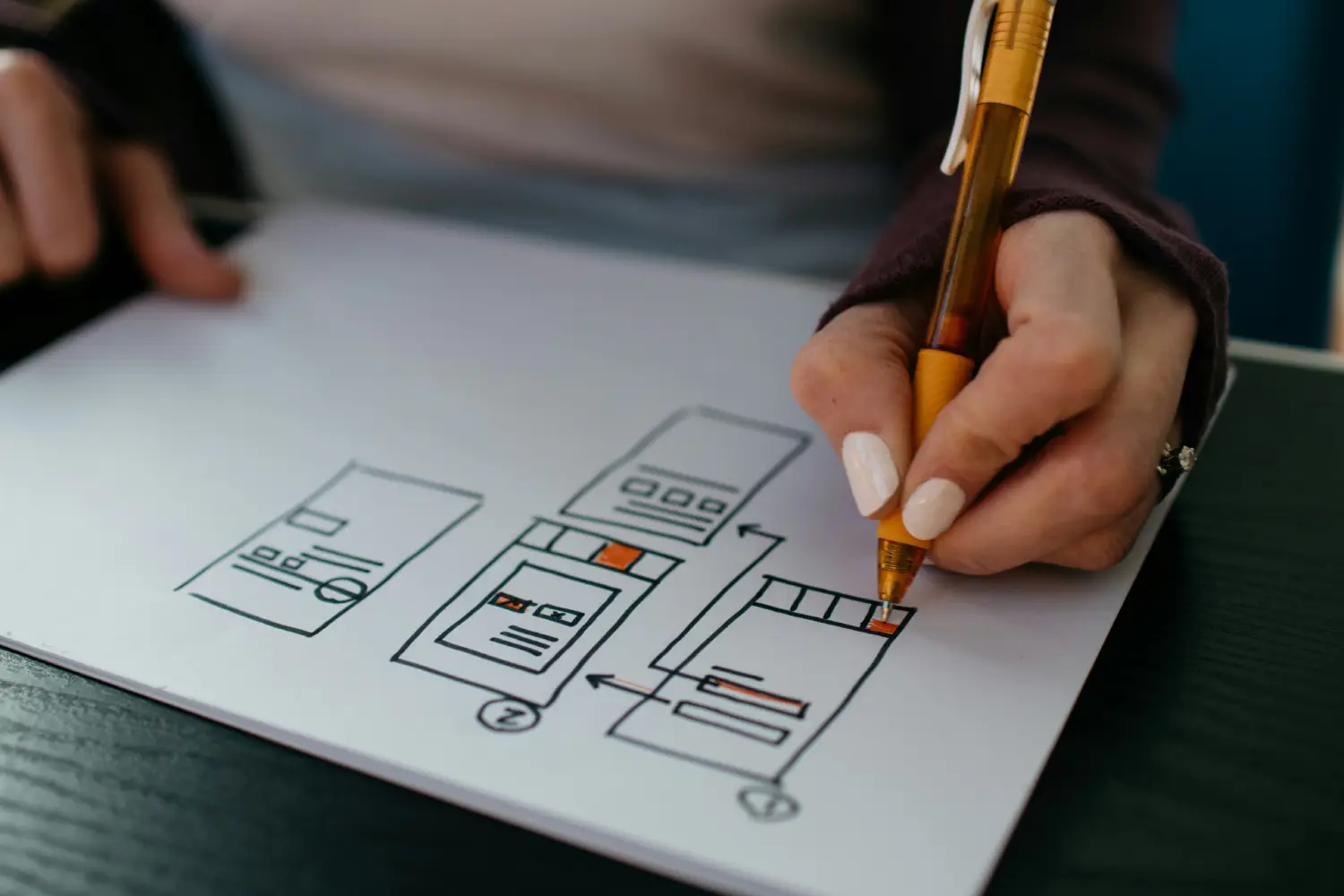
A deep dive into the psychology of recurring revenue and customer lifetime value for eCommerce brands. From tactics to systems.
Customer acquizition is important for eCommerce brands. At first. But as you grow it shrinks your profits by minute — if you don’t invest in retention and loyalty. That’s what I saw with our clients and developed this system.
ECommerce Experience Design is the reason I developed Wieldex. The reason we exist.
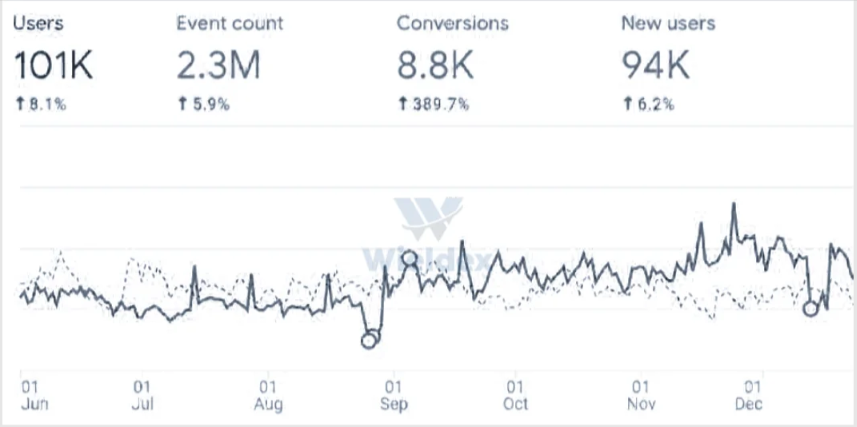
And the reason our clients have up to +389% increase in conversions without increasing visitors.
Most agencies focus on sales or vistors, through ads, UI/UX, social media or SEO. Because that’s easy, predictable, and fast.
ECommerce experience design is non of that.
But it breaks that ceiling most growing eCommerce brands face.
The point where you think that the only way forward is through investing in more ads or being somehow viral.
Let’s see another way.
What is eCommerce Experience Design
Ecommerce Experience Design is a system developed by Vivian Mitsiou, founder of Wieldex and contains three peak points in it: Trust, Experience and Loyalty.
After experiments research and observation we know that there is no experience without trust,
Perceptions of risk and uncertainty, lack of brand transparency, and poor user experiences can easily erode customer confidence in online stores. [The Decision Lab]
or no loyalty without experience and trust.
That means that building trust for eCommerce stores is not so hard, but it is fragile. The deeper the foundations, the more ‘bad experiences’ a customer forgives.
It also means that the hierachy of this system is intented.
To implement eCommerce Experience Design you need to combine marketing, customer behavior and technology in every phase or step.
In simple words:
ECommerce Experience Design is the practice of strategically shaping the perception a customer has for an eCommerce store. It blends marketing — positioning, competitive advantages, research, SEO, CRO, content —, technology —UI/UX design, web development, tools and features —, and customer behavior — data, analytics, psychology, culture and biases.
As you may already think this is not a tactic or a framework you can follow step by step and that’s why it is so competitive.
Competitors can copy funnels, customer tactics and frameworks.
But they cannot copy what makes your brand unique and top of mind for your customers.
Before moving forward let’s see what you need to have to succeed in eCommerce experience design.
What it needs to work – vision, guidelines, reviews
By default, ECommerce Experience Design is built to help brands, not stores.
What I mean by that is simple: before you implement this system, you should already have a clear vision, brand guidelines, and positive Google reviews.
Why? Because these are the foundations. Without them, everything else becomes much harder to sustain.
I know it might sound strange to specifically mention Google reviews here, but I’ve noticed a pattern over the years. For some reason, businesses with strong Google reviews are often the ones delivering better products, better service, and a better overall customer experience. The correlation is hard to ignore.
So why do vision, guidelines, and reviews matter?
Because trust is the first major milestone in the system.
And trust doesn’t come from good design alone. It doesn’t come from clever copywriting either. People trust businesses that consistently deliver value, provide great customer support, and have a reputation for quality.
That’s where these foundations help.
- A clear vision gives your brand direction.
- Brand guidelines create consistency.
- Positive reviews show that real customers trust what you’re offering.
And remember, this isn’t just about making more sales. It’s about building loyalty. You want customers to come back, recommend you to others, and stay connected to your brand over time.
These are the basics. If you’re missing any of them, that’s probably where you should focus first before moving forward with the rest of the system.
Marketing: Customer Needs, Company Skills, Competition
Marketing is the process via which a firm creates value for its choosen customers. Value is created by meeting customer needs. Thus, a firm needs to define itself not by the product it sells, but by the customer benefit provided. [HBS Note on Marketing Strategy]
The first and most important step in eCommerce Experience Design system is to identify, document and analyze customer needs, company skills and competition.
There is no successful eCommerce without real-world data.
Here are the three steps you need to follow:
Step 1. Capture the Voice of the Customer. Gather data of how customers behave
- Gather information: research, interviews, reviews, emails, comments on social media, complaints, website behavior, observe their behavior in your physical stores.
- Document those information per need: products, customer support, online, shipping delivery etc
- Find the patterns: one simple excellent review or complaint is not important – patterns are. Which means something that is statistically important.
Things you need to identify here: What customers perceive as the real value of your brand, what they expect from your market, you and/or your products, where you miss them, what needs improvement.
Step 1. Company Skills. What the company can and should improve and what they can’t or shouldn’t
FAQs
How to start with eCommerce experience design?
Translate customer needs to features. If they ask questions about products, you product page can be improved, if they ask for sales, then offers must be a seperated category and so on.
Is eCommerce experience design similar to UX Design?
EXD includes UX design but they are not the same. The main difference is that EXD goal is to build loyalty while UX design to have an intuitive, easy to navigate experience for users.
Can I use EXD for my ecommerce store?
Yes. EXD serves anyone who want to build loyalty and trust beyond just sales.
Final Thoughts
The difference between EXD and any other eCommerce service is that it connects the dots. It's not better than UX design, or CRO because it includes both of them. What it is is a method to see the bigger picture.
You need a free Wieldex account to leave a comment.